



Services
1.
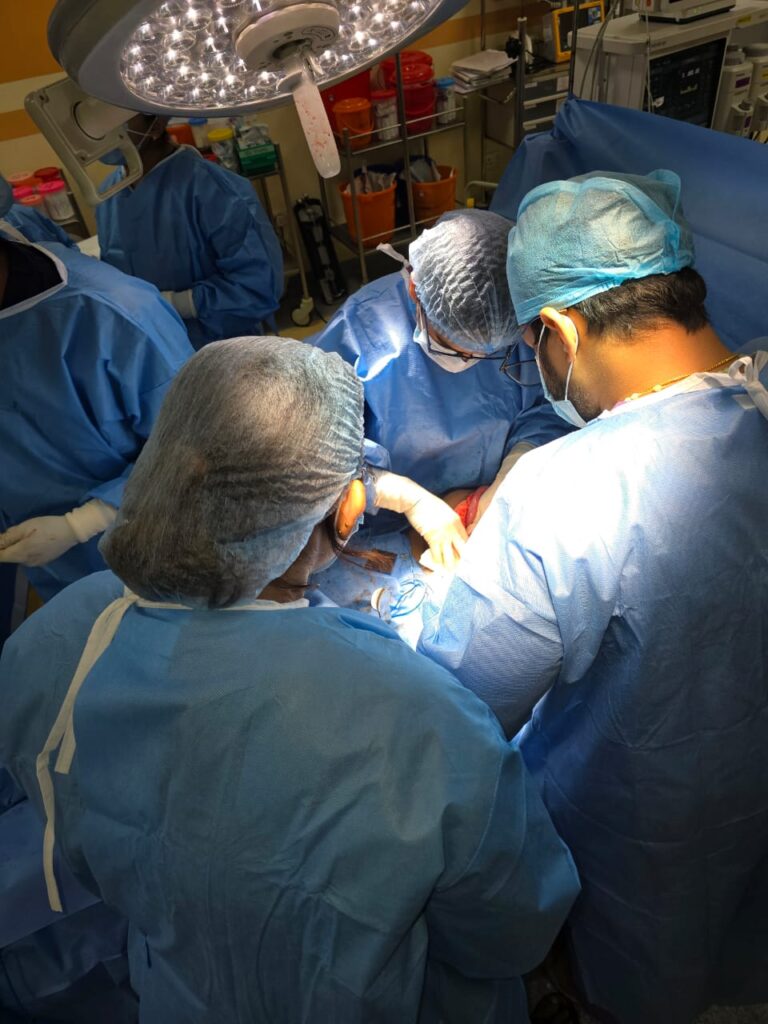
HIPEC
HIPEC stands for Hyperthermic Intraperitoneal Chemotherapy. It is a specialized treatment that combines surgery and chemotherapy to treat certain types of advanced or metastatic cancers that have spread to the peritoneal cavity, which is the abdominal cavity that contains organs such as the stomach, intestines, and ovaries.We offer affordable treatments you may need.
2.
Minimally Invasive Surgery
Minimally invasive surgery (MIS), also known as minimally invasive techniques or laparoscopic surgery, is a surgical approach that aims to minimize the size of incisions and reduce trauma to the body compared to traditional open surgery. It involves the use of specialized instruments and advanced technologies to perform surgical procedures through small incisions.We offer affordable treatments you may need.
3.
Fertility Preservation
Fertility preservation refers to the techniques and procedures used to preserve a person’s fertility for future use, particularly in situations where fertility may be compromised due to medical treatments or other factors. It allows individuals to have the option of having biological children later in life, even if they experience infertility.We offer affordable treatments you may need.
4.
Cytoreductive Surgery
Cytoreductive surgery, also known as debulking surgery, is a surgical procedure performed with the goal of removing as much visible tumor tissue as possible in individuals with advanced or metastatic cancer. It is commonly used in the treatment of certain types of cancers, including ovarian cancer, colorectal cancer, and some forms of peritoneal cancer.We offer affordable treatments you may need.
5.
Ovarian Cancer
Ovarian cancer is a type of cancer that begins in the ovaries, which are the female reproductive organs responsible for producing eggs and hormones. It is the eighth most common cancer in women and is often referred to as the “silent killer” because it is difficult to detect in its early stages and symptoms may be vague or mistaken for other conditions.We offer affordable treatments you may need.
6.
Uterine Cancer
Read More
The most common symptom of uterine cancer is abnormal vaginal bleeding, particularly after menopause. Other symptoms may include pelvic pain or pressure, pain during intercourse, changes in bowel or bladder habits, and unexplained weight loss. It’s important to note that these symptoms can be caused by conditions other than cancer as well.We offer affordable treatments you may need.
7.
Cervical Cancer
Cervical cancer is a type of cancer that develops in the cells of the cervix, which is the lower part of the uterus that connects to the vagina. It is primarily caused by persistent infection with certain types of the human papillomavirus (HPV).
Read More
Symptoms:
In the early stages, cervical cancer may not cause noticeable symptoms. As the disease progresses, symptoms may include abnormal vaginal bleeding (such as bleeding between periods, after intercourse, or after menopause), pelvic pain, pain during intercourse, and an abnormal vaginal discharge.
Treatment:
Treatment options for cervical cancer depend on various factors, including the stage of cancer, the size and location of the tumor, and the individual’s overall health. Treatment may involve surgery (such as a hysterectomy or removal of lymph nodes), radiation therapy, chemotherapy, targeted therapy, Radical hysterectomy with pelvic nodal dissection or a combination of these approaches.We offer affordable treatments you may need.
8.
Cancers During Pregnancy
Cancer during pregnancy is a relatively rare occurrence, but it can present unique challenges for both the mother and the developing fetus. When a woman is diagnosed with cancer during pregnancy, the treatment approach needs to carefully consider the well-being of both the mother and the baby. Here are some important points to understand about cancers during pregnancy:
Read More
Diagnosis:
The diagnosis of cancer during pregnancy may involve imaging tests, biopsies, and other diagnostic procedures. It’s important to balance the need for diagnostic accuracy with the safety of the developing fetus.
Treatment Options:
The treatment options for cancer during pregnancy are similar to those used for non-pregnant individuals and may include surgery, chemotherapy, radiation therapy, or a combination of these modalities. The choice of treatment depends on the type and stage of cancer, as well as the potential risks to the developing fetus.We offer affordable treatments you may need.
9.
Vulvar and Vaginal Cancer
Vulvar and vaginal cancers are types of gynecological cancers that affect the external genitalia (vulva) and the birth canal (vagina) of women. Here are some important points about vulvar and vaginal cancer:
Read More
Vulvar Cancer:
Symptoms of vulvar cancer may include persistent itching, pain, tenderness, changes in the skin color or texture, a lump or ulcer, bleeding, and abnormal discharge.
Treatment options for vulvar cancer depend on the stage and location of the tumor. They may include surgery (such as wide local excision, vulvectomy, or lymph node removal), radiation therapy, chemotherapy, or a combination of these treatments.We offer affordable treatments you may need.